
The thrill of chance
The psychology of gambling is deeply rooted in the thrill that comes with uncertainty. Gamblers often find themselves captivated by the unpredictability of games, whether they are spinning the reels of a slot machine or playing a game of chance against others. This excitement keeps players engaged and can lead to the feeling of euphoria, especially when winnings occur. The anticipation builds as they place their bets, creating an intoxicating environment where hope and desire intertwine, much like the experience of visiting a casino online nz that offers various games and challenges. This dynamic is not merely about winning money; it’s about the emotional journey that gambling provides.
Moreover, this thrill can act as an escape from daily life. Many individuals turn to gambling as a way to break free from their routine or stress. The adrenaline rush associated with winning or the hope of hitting the jackpot becomes a temporary distraction from their worries. This psychological coping mechanism highlights the multifaceted reasons behind why people are compelled to gamble. For some, the casino atmosphere—filled with lights, sounds, and the buzz of excitement—creates a sensory experience that pulls them in, providing a stark contrast to their daily challenges.
Additionally, the thrill of chance is often paired with social dynamics in gambling environments. Casinos and gaming venues thrive on the communal atmosphere that enhances the experience. Interacting with others while engaging in games fosters a sense of belonging, making the experience more pleasurable. The combination of excitement and social interaction often appeals to gamblers, pulling them deeper into this captivating world. This social aspect not only amplifies the thrill but also creates shared memories that can be cherished, reinforcing the desire to return.
The influence of rewards
The concept of rewards plays a significant role in the psychology of gamblers. The intermittent reinforcement schedule, where players receive rewards sporadically, is a critical factor in maintaining engagement. This method of rewarding players can create a powerful psychological connection, similar to how slot machines deliver wins. The unpredictability of rewards keeps gamblers coming back for more, as their minds associate the potential for winning with the act of playing. This psychological mechanism is akin to conditioning, where the thrill of a possible reward keeps individuals invested in the activity.
Furthermore, the impact of rewards extends beyond financial gains. Gamblers often experience feelings of achievement and status when they win. These emotions can provide a temporary boost to self-esteem and satisfaction. Consequently, the highs and lows of gambling become a cycle, where players chase not only monetary rewards but also the validation that comes with success in their gaming endeavors. This chase can lead to a complex emotional landscape where victories are celebrated, while losses incite a drive to continue playing in hopes of regaining lost ground.
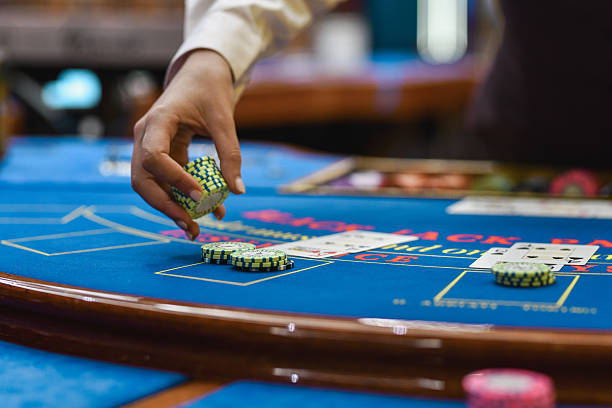
This relationship with rewards can have profound implications. While a win might provide instant gratification, frequent losses can lead to frustration and a desire to recoup losses. This obsession with gaining rewards can create a detrimental cycle of compulsive gambling, wherein individuals find themselves increasingly drawn to the thrill of chasing after wins, often at the expense of their well-being. The allure of potential rewards can overshadow the reality of risk, leading to a disconnect between rational thought and emotional impulse.
The role of cognitive biases
Cognitive biases play a crucial role in how gamblers perceive their chances of winning. The illusion of control is a common cognitive bias where gamblers believe they can influence outcomes through their decisions or behaviors. This bias often leads players to overestimate their skills, believing that they can turn their luck around with specific strategies or techniques. This false sense of empowerment keeps them engaged, despite the underlying randomness of the games. The idea that skill can tip the odds in their favor fuels their desire to keep playing, reinforcing a cycle of hope and disappointment.
Another prevalent bias is the gambler’s fallacy, where individuals believe that past outcomes can influence future results. For example, if a particular number hasn’t appeared in a game recently, a gambler may think it is “due” to show up soon. This misunderstanding of probability can result in illogical betting patterns, further fueling the desire to play. These cognitive biases not only shape gambling behavior but also create a narrative of hope that keeps players invested in their choices, even when the odds are stacked against them.
Understanding these cognitive biases is essential for anyone interested in the psychology of gambling. These perceptions can lead to misinformed decisions, often resulting in unhealthy gambling habits. Additionally, recognizing these biases can help individuals develop a more realistic outlook on gambling, promoting healthier relationships with games of chance. By fostering awareness about cognitive biases, individuals may better navigate their gambling experiences, making choices that align with their long-term well-being rather than immediate gratification.
The social aspect of gambling
The social aspect of gambling cannot be underestimated in understanding why people are drawn to it. Many individuals enjoy the communal atmosphere of casinos, where the interactions with others enhance their gaming experience. Socializing while betting creates a unique environment that fosters camaraderie, competition, and shared excitement. These interactions often make gambling a shared activity among friends or family, further embedding it into social routines. The experience of winning or losing together can strengthen bonds and create lasting memories that extend beyond the gaming table.
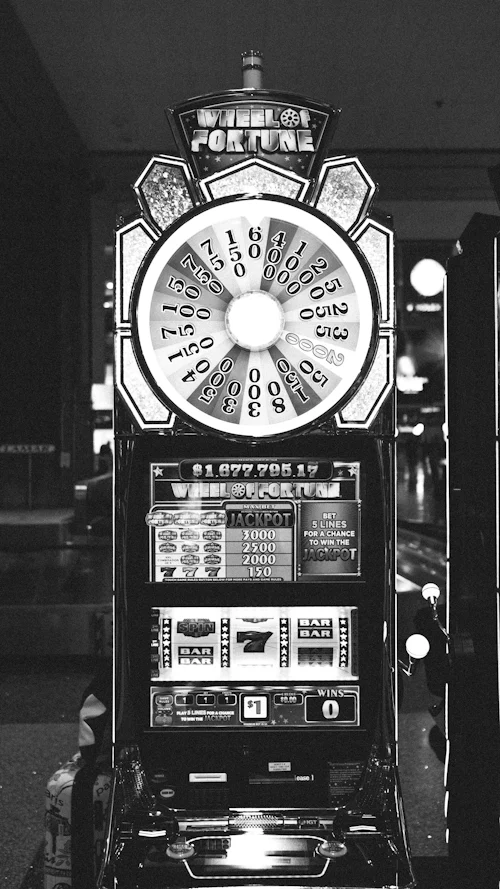
Moreover, the culture surrounding gambling can have a significant influence on participation. In many societies, gambling is framed as an exciting and acceptable pastime, leading to a normalization of the activity. Events like poker nights or community bingo become social gatherings, encouraging individuals to participate in a supportive environment. This cultural acceptance can fuel a desire to engage in gambling as part of social traditions. In this way, gambling transcends individual behavior and becomes a collective experience that is woven into the fabric of social life.
However, the social aspect of gambling can have both positive and negative implications. While it can create enjoyable experiences, it may also lead to peer pressure or unhealthy competition among friends and acquaintances. The desire to fit in or impress peers can drive individuals to gamble more than they should, highlighting the need for awareness and responsibility within social gambling contexts. Navigating the balance between social enjoyment and responsible behavior is crucial for maintaining healthy relationships with both gambling and one’s social circle.
Finding balance and responsible gaming
Understanding the psychology of gamblers is essential for promoting responsible gaming. Awareness of the psychological triggers that contribute to gambling behavior can help individuals recognize their motivations and make informed choices. This is particularly important as gambling becomes increasingly accessible through online platforms and mobile applications. Promoting a healthy relationship with gambling can mitigate the risks of developing problematic behaviors. Emphasizing the importance of moderation and self-awareness can empower individuals to enjoy gambling without jeopardizing their financial stability or mental health.
Educational programs aimed at increasing awareness about the risks associated with gambling can empower individuals to make responsible decisions. These initiatives can address misconceptions about winning and help gamblers understand the importance of setting limits. Encouraging players to view gambling as a form of entertainment rather than a means to make money can also reduce the likelihood of developing gambling-related issues. Engaging in conversations about responsible gaming habits can foster a culture of awareness that benefits both individuals and the broader community.
Incorporating strategies like self-exclusion programs and tools for tracking gambling behavior can further support responsible gaming efforts. These measures allow players to take control of their gambling activities and foster a safer environment. Ultimately, understanding the intricate psychology of gamblers is key to promoting healthy gaming practices and ensuring that the thrilling experience of gambling remains enjoyable. By prioritizing responsible gaming, individuals can participate in gambling activities while minimizing potential harm, preserving the fun and excitement that draws them to the experience in the first place.


0 Comments